48 V
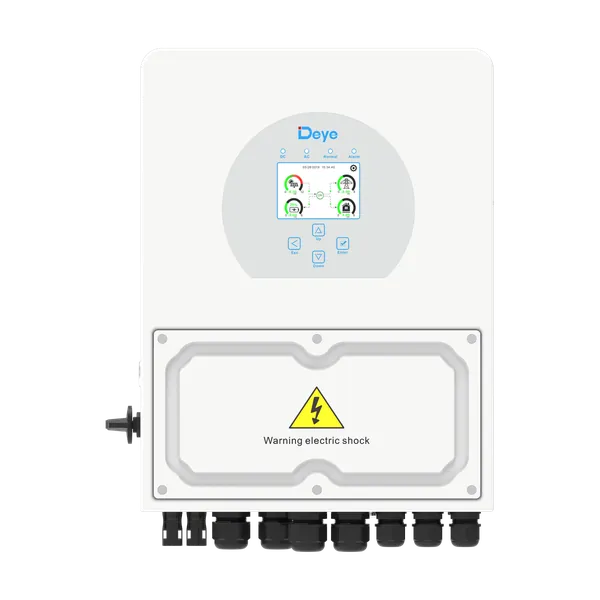
DeyeHybrid inverter
Deye 3–6 kW Single-Phase Hybrid Inverter
- Power
- 3 – 6 kW
- Battery
- 48 V
- Phase
- Single
- MPPT
- 1–2
Batteries: Deye, Dyness

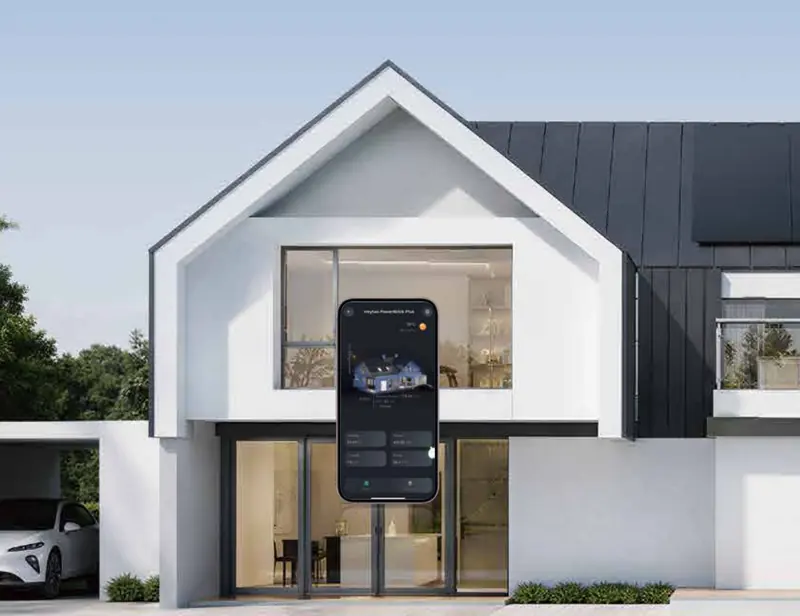
Residential backup
A hybrid inverter and a lithium battery bank sit between the grid and your home. When UEDCL supply drops, the battery takes over automatically. When power returns, the battery recharges from the grid, or from solar if you add panels.
01The problem
Evening outages hit exactly when a household uses the most power: lighting, cooking, TV, homework on laptops and the Wi-Fi that everyone depends on. Generators are noisy, need fuel runs and cannot start themselves at 2am. Lead-acid inverter batteries wear out quickly under daily cycling.
02Recommended architecture
While UEDCL power is on, the hybrid inverter passes grid power to your loads and keeps the lithium bank topped up.
When supply drops, the inverter switches your backed-up circuits to battery power.
LiFePO₄ batteries deliver deep, repeatable cycles. Size the bank to cover your typical outage.
Hybrid inverters have MPPT solar inputs built in, so you can add panels later to cut grid use and extend backup time.
03Typical configurations
Indicative only. Your load profile and site survey determine the final design.
| Scenario | Inverter | Storage | Solar | Typical loads | Example products |
|---|---|---|---|---|---|
| Apartment / small home | 3–3.6 kW | 1 × 5.12 kWh LV battery | Optional | Lights, Wi-Fi, TV, laptops, fridge | Deye SG04LP1 3–6 kW Dyness DL5.0F 5.12 kWh |
| Family home | 5–6 kW | 2 × 5.12 kWh or 1 × 16 kWh | 3–6 kWp | Above + freezer, microwave (short use), pump | Deye SG04LP1 3–6 kW GoodWe ES G2 3–6 kW Dyness PowerBrick Plus |
| Large home | 8–12 kW | 16–32 kWh | 6–12 kWp | Above + 1–2 air conditioners, washing machine | GoodWe ES Uniq 3–12 kW Deye SG01LP1 12–18 kW Deye SE-F12 / SE-F16 |
04Suitable products
Batteries: Deye, Dyness
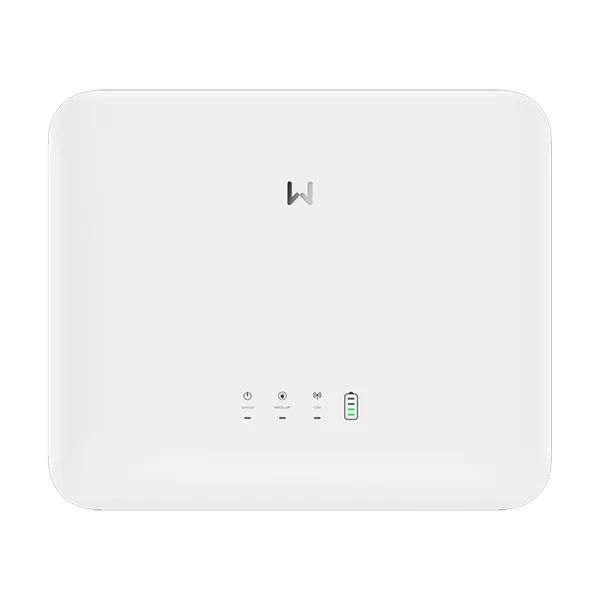
Batteries: GoodWe, Dyness
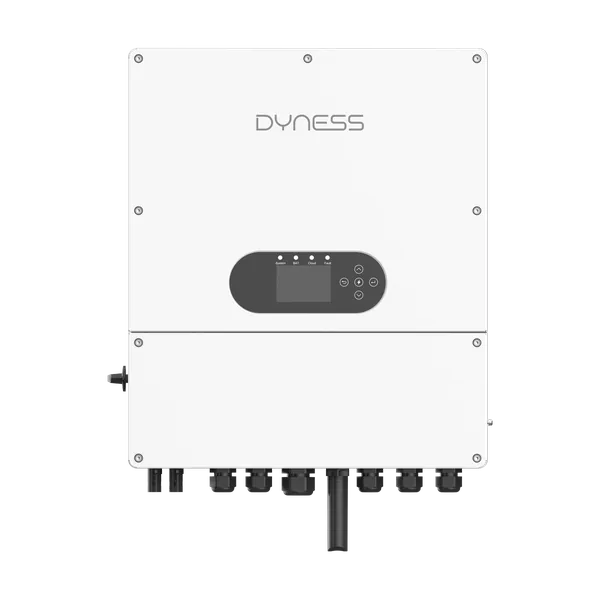
Batteries: Dyness
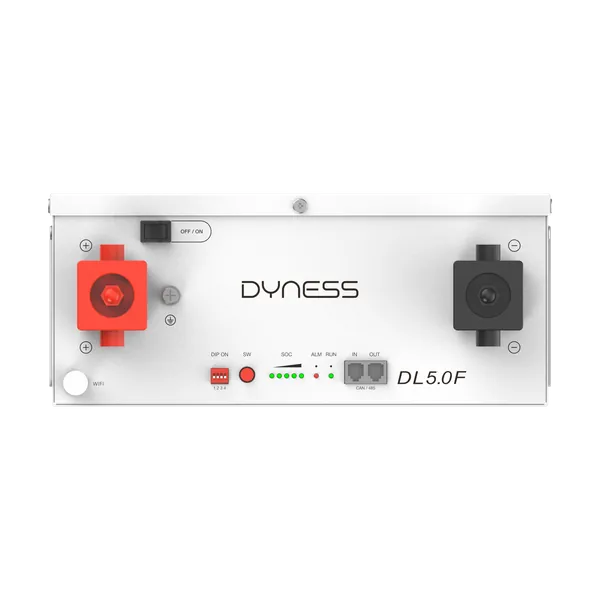
Works with Deye, GoodWe, Dyness
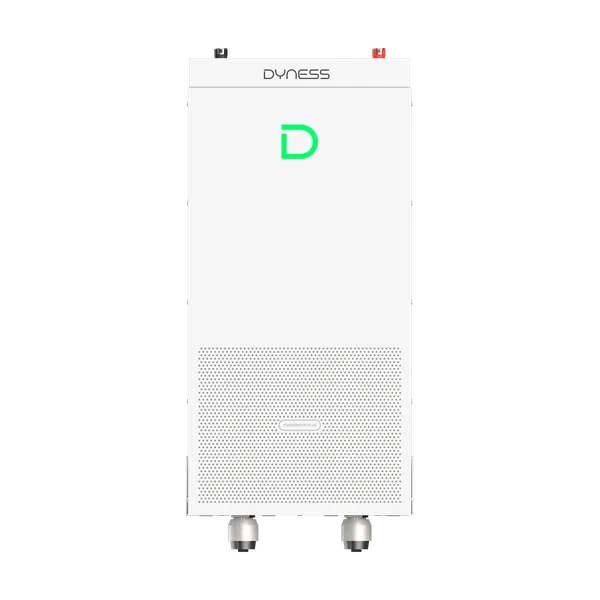
Works with Deye, GoodWe, Dyness
Works with Deye
05Advantages
06Relevant projects
Case studies coming soon.
Battery World project photos and details will appear here once published. Ask us for references in your sector.
07FAQ
It depends on what is switched on. A 10 kWh battery bank running about 700 W of typical evening load (lights, TV, Wi-Fi, fridge) lasts roughly 12 hours. Use Find My System to calculate your own figure.
Yes, if the inverter and battery are sized for it. An AC draws 1–1.5 kW and has a start-up surge, so it usually needs a 5–6 kW or larger inverter and more storage.
No. A grid-charged battery backup works on its own. Adding solar reduces your electricity bill and extends backup during long daytime outages.
Pick your appliances, see your load build up live, and get three matched Deye, GoodWe and Dyness-based systems, then send the result to our engineers on WhatsApp.