48 V
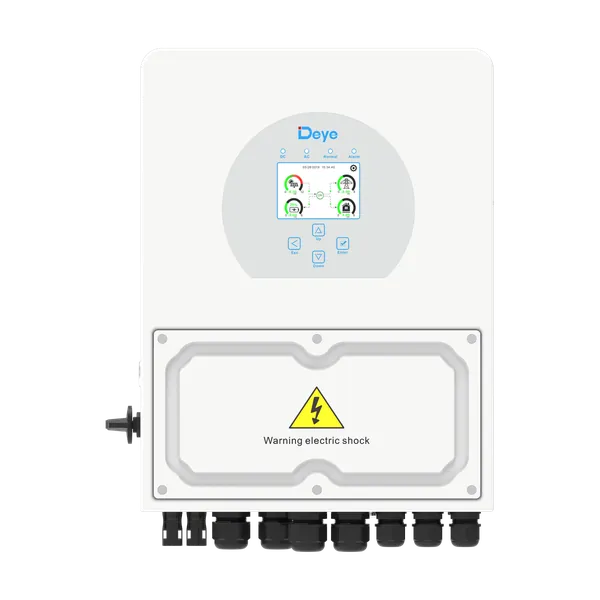
DeyeHybrid inverter
Deye 3–6 kW Single-Phase Hybrid Inverter
- Power
- 3 – 6 kW
- Battery
- 48 V
- Phase
- Single
- MPPT
- 1–2
Batteries: Deye, Dyness

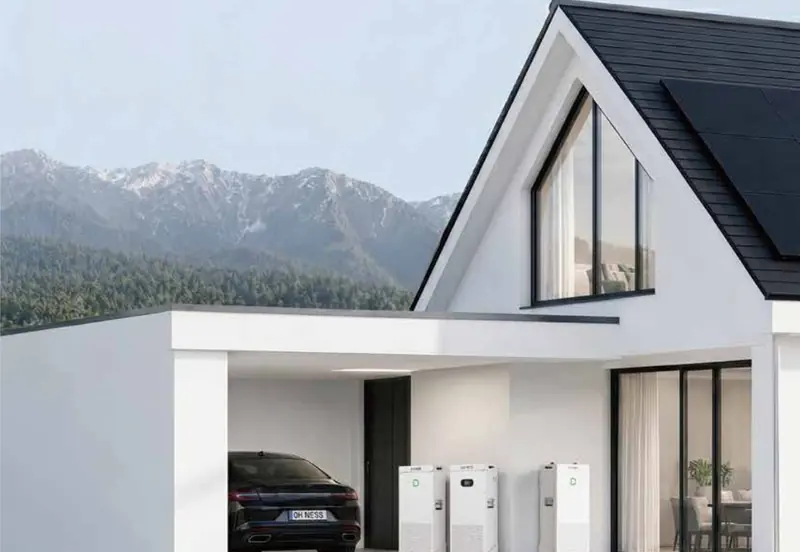
Residential solar
Uganda's sunshine is a strong resource. A hybrid solar system runs the home from panels during the day, charges the battery with the surplus, and draws on the grid only when both are exhausted.
01The problem
Rising electricity bills and unreliable supply push homeowners toward solar, but mismatched components are common: undersized inverters, batteries that do not talk to the inverter, and panels wired outside the MPPT voltage window.
02Recommended architecture
Hybrid inverters track the maximum power point of each string for best yield.
Daytime loads are served directly from PV.
Excess energy goes into LiFePO₄ storage for the evening.
The inverter uses the grid or a generator only when solar and battery cannot cover demand.
03Typical configurations
Indicative only. Your load profile and site survey determine the final design.
| Scenario | Inverter | Storage | Solar | Typical loads | Example products |
|---|---|---|---|---|---|
| Starter solar | 5 kW | 5–10 kWh | 4–6 kWp | Daytime self-consumption + evening essentials | Deye SG04LP1 3–6 kW Dyness DL5.0F 5.12 kWh |
| Whole-home solar | 6–8 kW | 15–16 kWh | 8–10 kWp | Most loads including fridge, freezer, pump | GoodWe ES Uniq 3–12 kW Dyness PowerBrick Plus |
| Three-phase home | 8–12 kW three-phase | 16–32 kWh | 10–16 kWp | Large homes with three-phase supply | Deye SG05LP3 3–12 kW GoodWe ET LV 5–20 kW Deye SE-F12 / SE-F16 |
04Suitable products
Batteries: Deye, Dyness
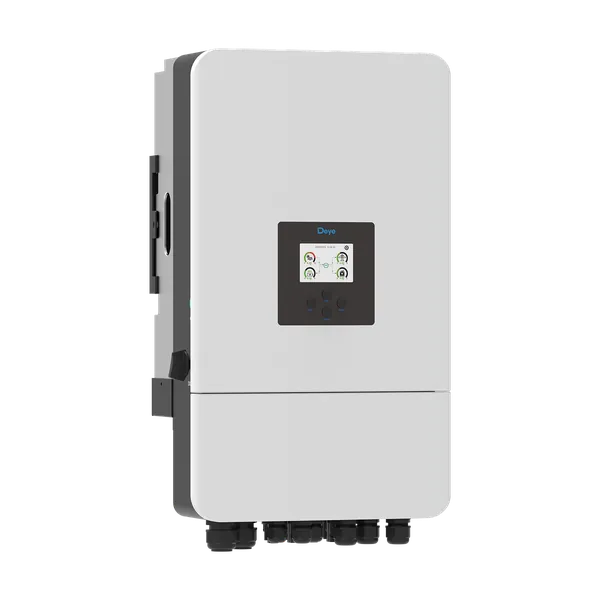
Batteries: Deye, Dyness
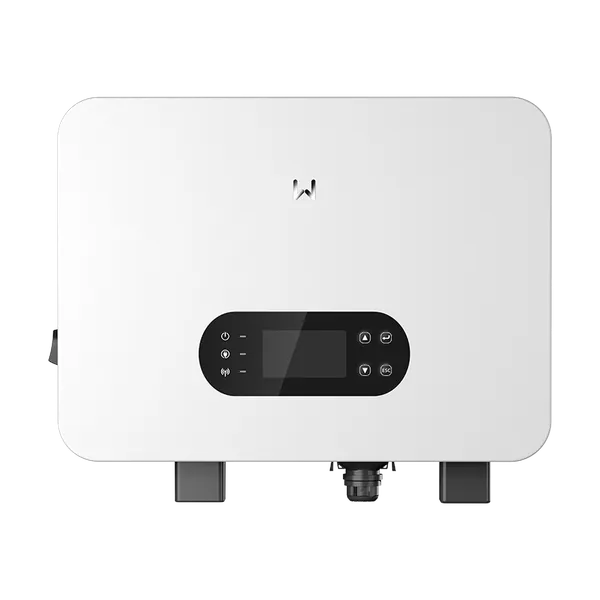
Batteries: GoodWe, Dyness
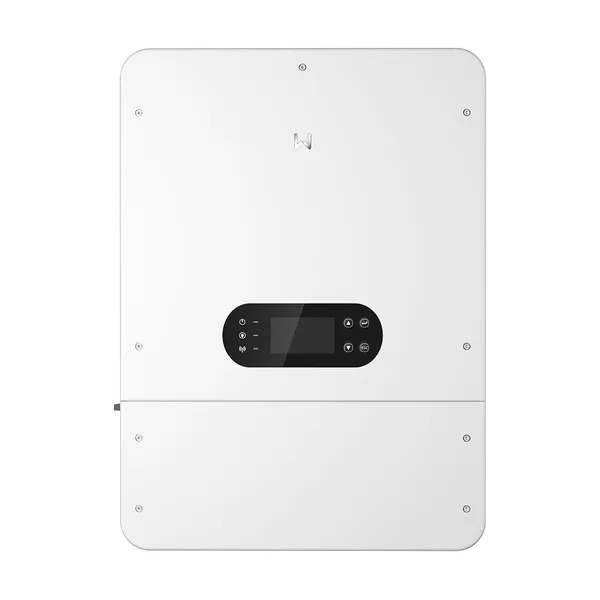
Batteries: GoodWe, Dyness
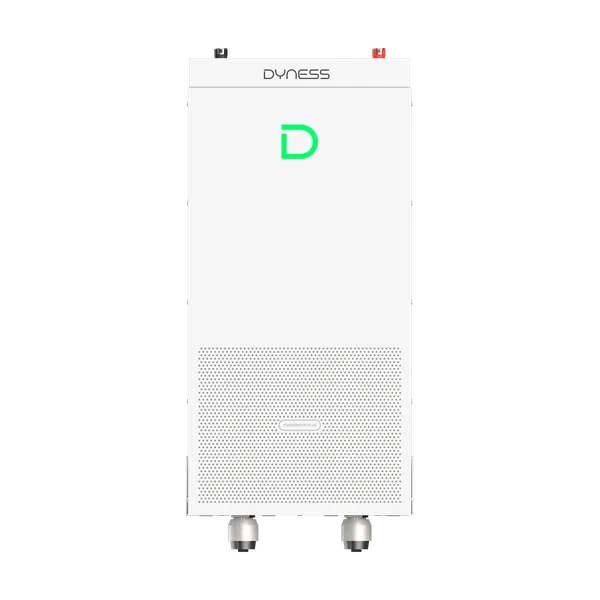
Works with Deye, GoodWe, Dyness
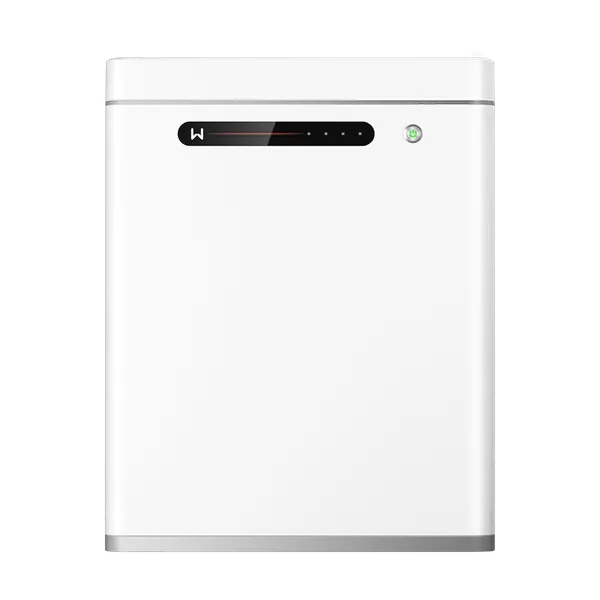
Works with GoodWe
05Advantages
06Relevant projects
Case studies coming soon.
Battery World project photos and details will appear here once published. Ask us for references in your sector.
07FAQ
A rough rule for Uganda: daily energy (kWh) ÷ about 3.5 gives the kWp of panels needed after system losses. The configurator does this calculation for you.
Yes, at reduced output on overcast days. The battery and grid (or generator) cover the shortfall automatically.
Hybrid inverters support grid-tie operation, but export arrangements depend on utility rules. Ask Battery World about your site before planning on export.
Pick your appliances, see your load build up live, and get three matched Deye, GoodWe and Dyness-based systems, then send the result to our engineers on WhatsApp.