48 V
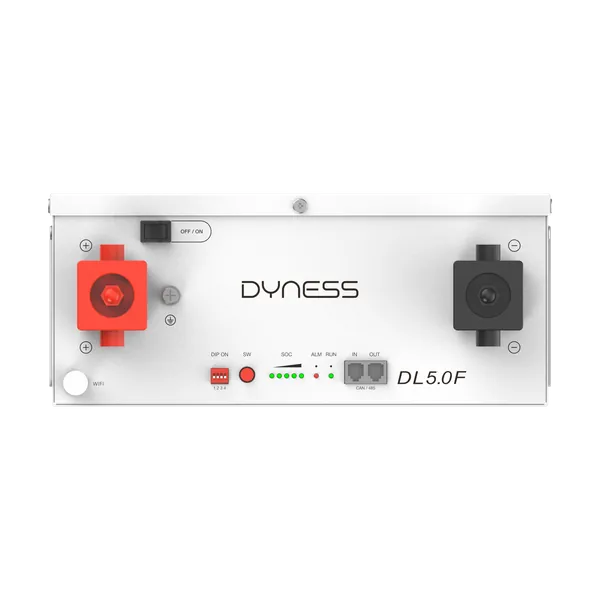
DynessLithium battery (LV)
Dyness DL5.0F 5.12 kWh Low-Voltage Lithium Battery
- Capacity
- 5.12 kWh
- Voltage
- 51.2 V
- Cycles
- ≥ 8,000
- Warranty
- 7 yrs / 10 yrs (optional)
Works with Deye, GoodWe, Dyness

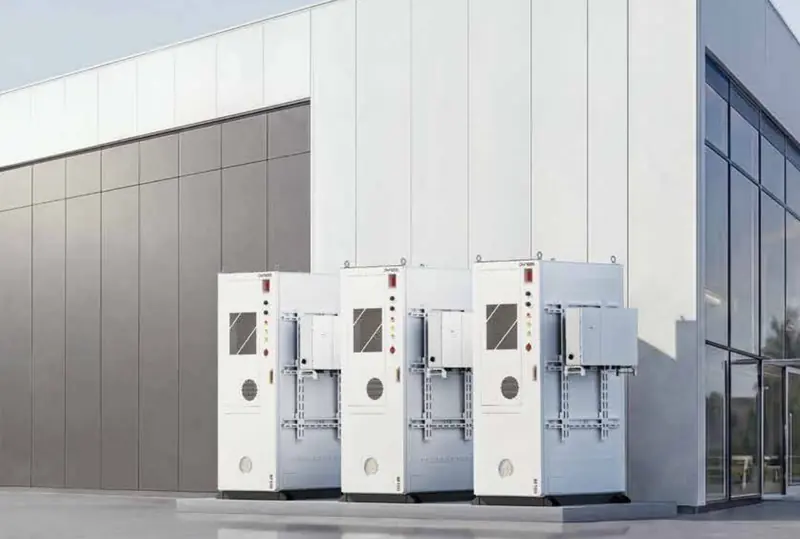
Energy storage
Storage is where most systems succeed or fail. We match battery chemistry, voltage class, capacity and communication protocol to the inverter, using compatibility published by the manufacturers.
01The problem
Buying a battery on capacity alone causes trouble: wrong voltage class, no BMS communication with the inverter, or a discharge current too low for the load. The result is error codes, tripping and a shortened battery life.
02Recommended architecture
48 V (LV) for most homes and small businesses; HV for larger three-phase systems.
Only pairings listed by the manufacturers.
Usable kWh for backup hours; continuous amps for peak load.
Parallel modules or clusters later.
03Typical configurations
Indicative only. Your load profile and site survey determine the final design.
| Scenario | Inverter | Storage | Solar | Typical loads | Example products |
|---|---|---|---|---|---|
| Wall / floor LV | — | 5–16 kWh per unit | — | Homes, shops, offices | Dyness DL5.0F 5.12 kWh Dyness PowerBrick Plus Deye SE-F5 5.12 kWh GoodWe Lynx U G3 |
| Stackable HV | — | 15–80 kWh per tower | — | Large homes, commercial | Dyness STACK100 HV Deye GB-L HV 17–80 kWh GoodWe Lynx F G2 HV |
| C&I cabinets | — | 80–261 kWh | — | Industrial & large commercial | Dyness STACK314 HV Deye BOS-B Pro-A3 Dyness DH200F 125 kW / 261 kWh GoodWe ESA 125/261 |
04Suitable products
Works with Deye, GoodWe, Dyness
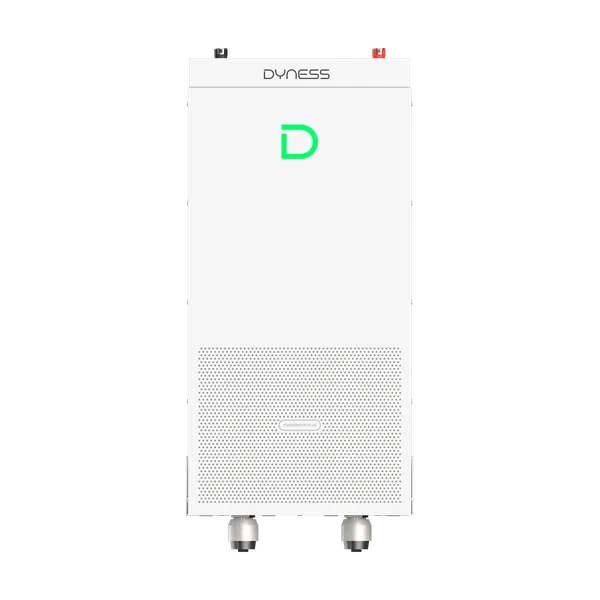
Works with Deye, GoodWe, Dyness
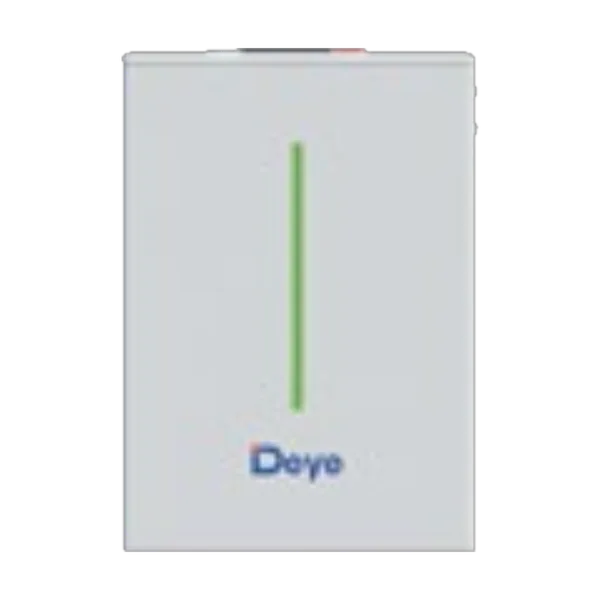
Works with Deye
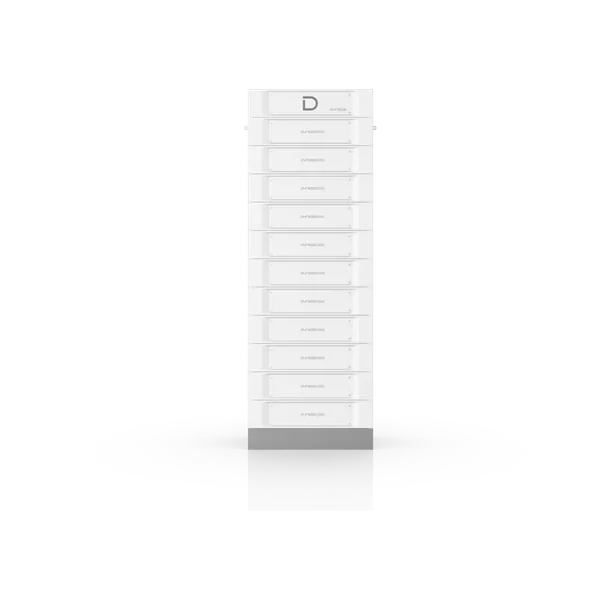
Works with GoodWe, Deye
Works with Deye
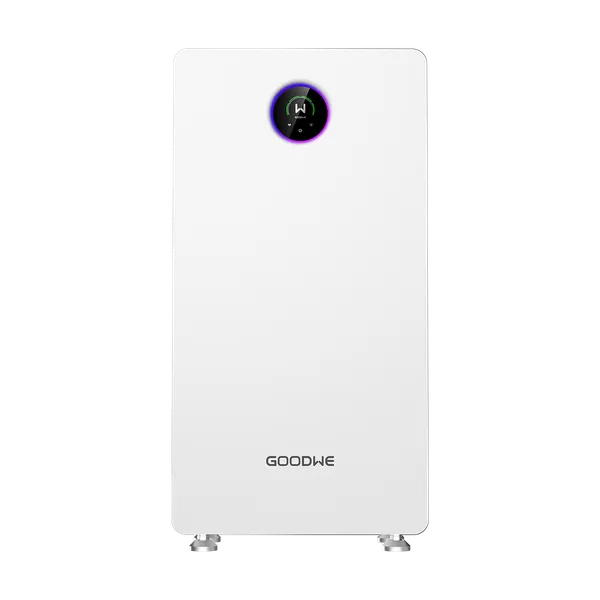
Works with GoodWe
05Advantages
06Relevant projects
Case studies coming soon.
Battery World project photos and details will appear here once published. Ask us for references in your sector.
07FAQ
Yes, where the Dyness datasheet lists Deye as a compatible inverter (e.g. DL5.0F, PowerBrick Plus/Max/SC, STACK100, STACK314). We only recommend listed pairings.
It depends on the model. Some (such as GoodWe Lynx D) support mixing packs; others should be expanded with identical modules. Check with our engineers first.
Share your load profile, supply type and outage pattern, and our engineers will propose a system with specifications and a quotation.